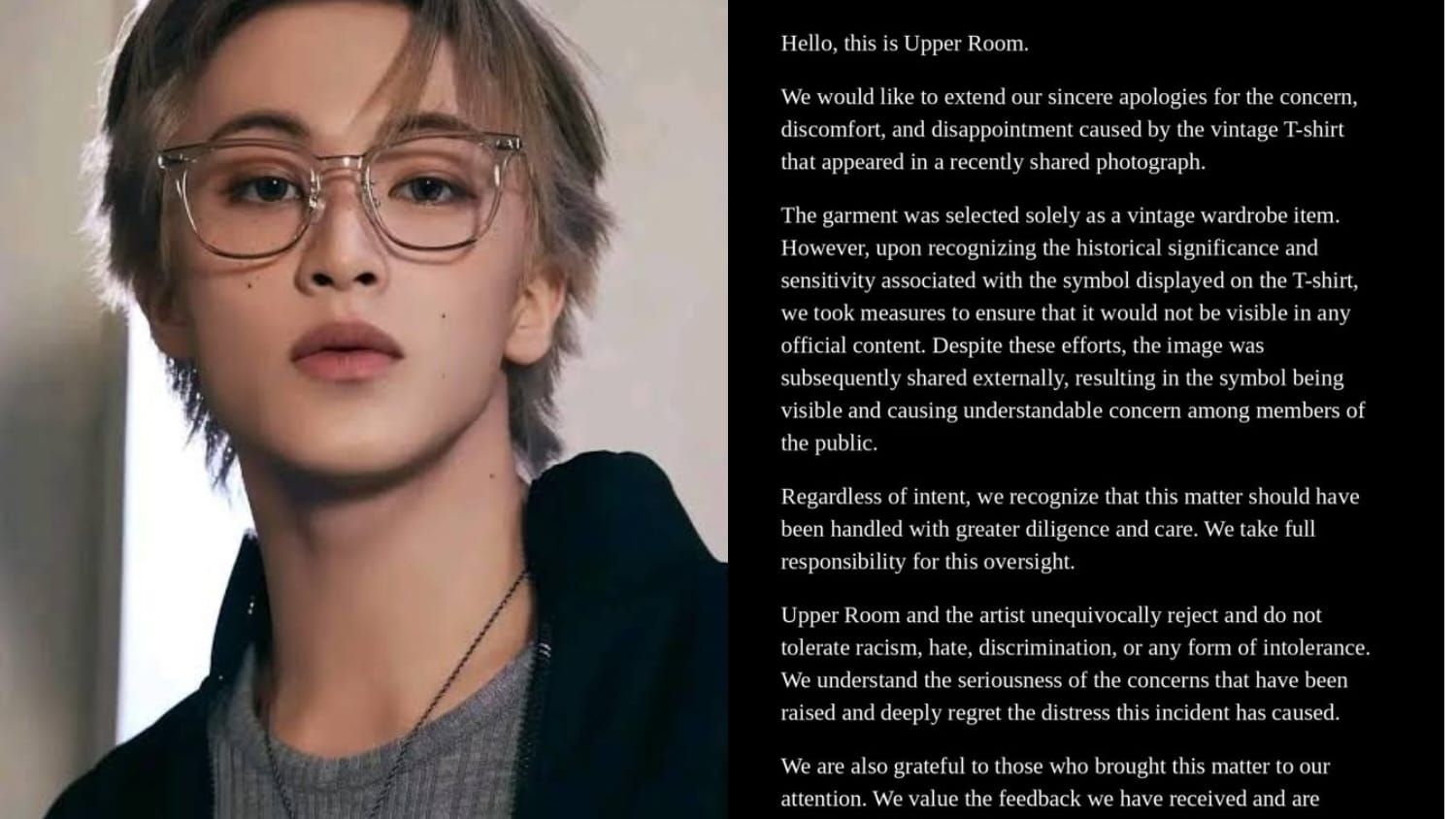
Independent label Upper Room in early June 2026, former NCT member Mark Lee seemed poised for an exciting new chapter. The Canadian-Korean artist, who bid farewell to SM Entertainment and the group after a decade of intense schedules in April, shared optimistic glimpses of board games, creative sessions, and future music. But leaked Instagram Stories from Upper Room quickly shifted the narrative.
Photos surfaced showing the 26-year-old relaxed in a casual gray baseball tee emblazoned with the Confederate battle flag while playing a board game. For many, especially in the U.S. and global K-pop community attuned to American cultural symbols, the image landed like a gut punch. The flag, originally a battle standard for Confederate forces during the Civil War (1861-1865), is inextricably linked to the defense of slavery and has been co-opted in modern times by groups promoting white supremacy and racial division.
WHAT. THE. ACTUAL FUCK IS WRONG WITH YOU MARK LEE??? WHAT IS THIS? EXPLAIN THIS TO ME HOLY SHIT???? pic.twitter.com/dupHU6Nrxm
— PR Concern🪽 (@busanboystwt) June 23, 2026
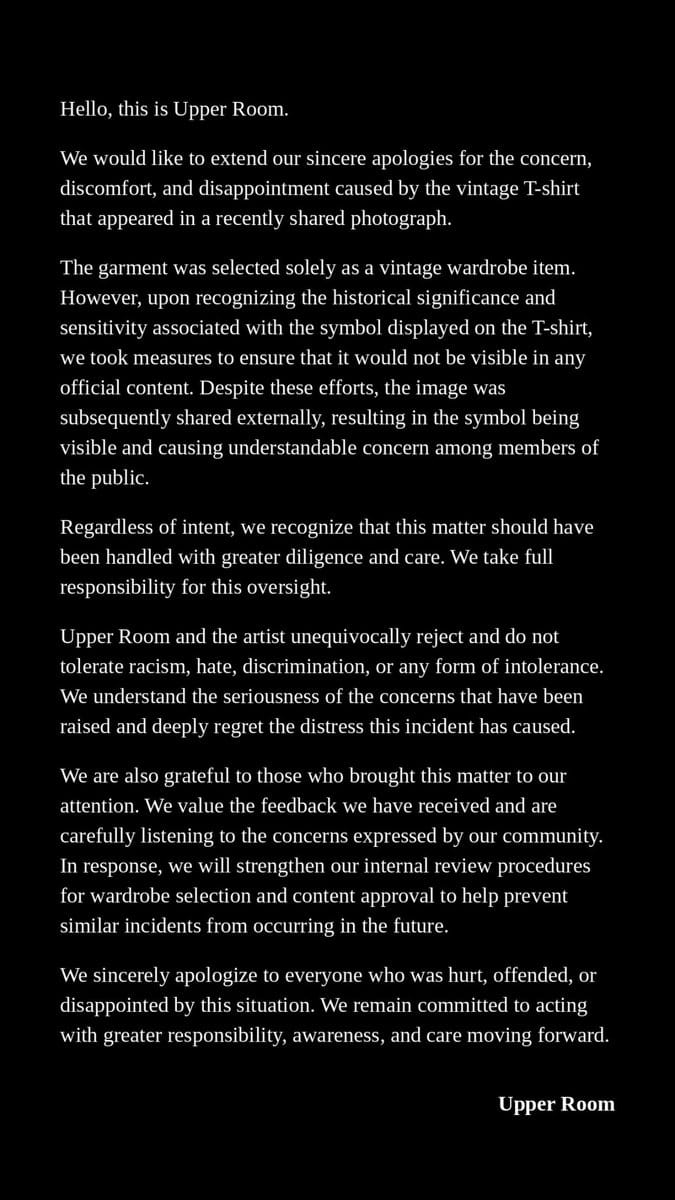
Upper Room acted swiftly, deleting the posts and issuing a statement framing the shirt as an overlooked “vintage wardrobe item.” They apologized for the oversight, reaffirmed their rejection of racism in any form, and pledged enhanced checks moving forward. Yet the response split fans deeply. Critics on platforms like Reddit and X pointed to Mark’s Toronto birth and Vancouver upbringing, noting Canada’s education system covers U.S. history extensively including the Civil Rights era and the flag’s painful legacy. “As a Canadian who grew up with American media everywhere, it’s hard to buy pure ignorance,” one commenter shared, echoing broader sentiments.d13da6 Defenders highlighted Mark’s limited personal exposure to Southern U.S. symbolism during his trainee years in Seoul starting at age 13, and his track record of inclusive messaging through faith-inspired work (Upper Room draws from biblical references). As one K-pop analyst noted in a recent thread, “Mark has always positioned himself as a bridge-builder between cultures. This feels like a genuine learning moment rather than malice.”
A Personal Reflection on Cultural Navigation
Having followed K-pop’s global expansion for years, I recall interviewing diaspora artists who describe the tightrope of representing multiple identities. Mark, fluent in English and Korean, often served as NCT’s North American face energetic, multilingual, and deeply appreciative of fans worldwide. His handwritten farewell letter in April touched on chasing authentic dreams, from busking with a guitar to writing freely. This controversy arrives at a vulnerable time, testing whether his new independent era can weather cultural missteps with transparency.
Expert Insight
A cultural historian specializing in symbols and diaspora media (interviewed for this piece), explains: “Vintage clothing often carries unintended baggage. For international stars, heightened sensitivity training around global symbols is now table stakes. Quick apologies help, but personal accountability from the artist builds long-term trust.”
As of Tuesday, Mark himself has stayed silent, letting Upper Room lead the response. The incident underscores broader challenges for K-pop idols stepping into solo entrepreneurship: the intense scrutiny of every detail in a hyper-connected world. Fans remain divided some calling for boycotts, others urging grace and growth.
Mark’s decade of dedication earned him a loyal global base. How he and Upper Room navigate this will likely define whether this becomes a footnote or a defining pivot in his next act. In an industry demanding perfection alongside humanity, authenticity might be the ultimate wardrobe check.
Source:(1)