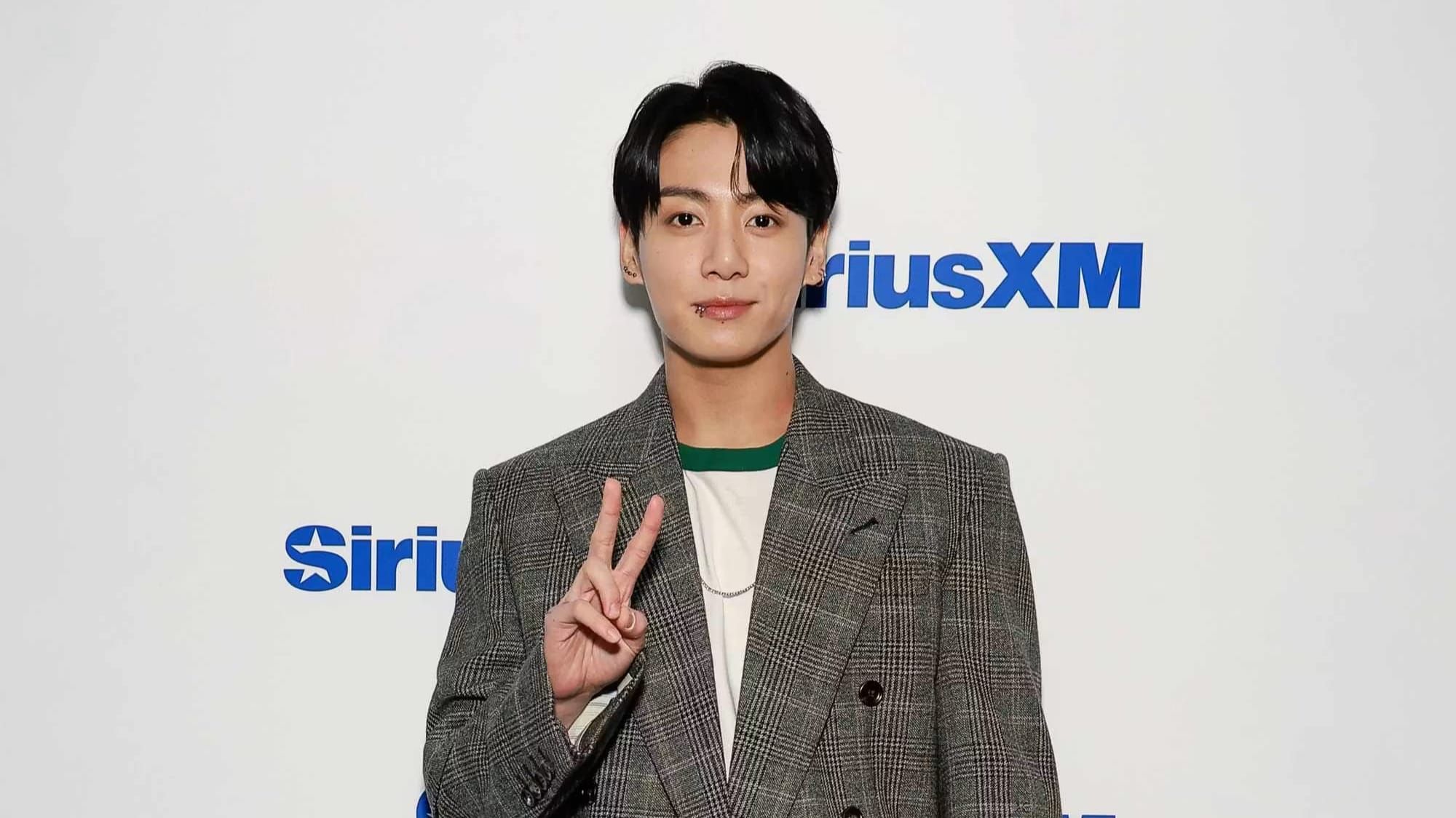
Brazilian woman in her 30s has been handed a one-year prison term, suspended for two years, by Seoul’s Western District Court for relentlessly stalking BTS member Jungkook. The ruling, delivered on May 8 by Judge Park Ji-won, also includes expected deportation from South Korea, underscoring the serious legal stance on fan obsessions that cross into harassment.
According to court documents, the woman identified only as Ms. A visited Jungkook’s residence in Seoul’s Yongsan District a staggering 22 times between December 7 and 28, 2025. Her actions escalated from lingering outside and leaving letters and photographs “out of love” to ringing his doorbell 133 times in a single visit. On December 13, she even slipped inside the property through a side gate as a delivery person exited, leading to her on-site arrest.
Despite police warnings and an emergency protective order mandating she stay at least 100 meters away, she returned in January, prompting further charges under South Korea’s anti-stalking law and trespassing statutes.
Jungkook, who had recently completed his military service and was adjusting to civilian life, reportedly sought stricter punishment, highlighting the emotional toll on celebrities navigating intense public adoration.
Expert Perspectives on Celebrity Stalking
Dr. Elena Ramirez, a forensic psychologist specializing in parasocial relationships (who has consulted on similar high-profile cases), notes that incidents like this reflect a darker side of fandom. “Digital access and global travel have made it easier for fans to blur boundaries,” she explains. “What starts as admiration can spiral into fixation, especially for idols like Jungkook, whose charismatic stage presence and personal lyrics foster deep emotional connections.”
This isn’t an isolated event. BTS members have faced multiple intrusion attempts in recent years, mirroring broader challenges in the industry. South Korea’s strengthened stalking laws, updated in recent years, aim to protect victims more effectively, but enforcement and sentencing often spark debate among fans.
Many ARMYs (BTS’s devoted fanbase) expressed relief mixed with concern online, with some calling the suspended sentence “too lenient” given the repeated violations. Others emphasized mental health support for fans struggling with obsession. Jungkook himself has maintained a low profile, focusing on music and personal growth post-military.
Why This Matters
Cases like this highlight the need for better fan education and celebrity security measures. As K-pop’s global influence grows, balancing artist accessibility with personal safety remains a pressing issue. For Jungkook and fellow idols, reclaiming privacy after years in the spotlight is no small feat.
While the woman cited love as her motive and showed no intent for physical harm factors the court weighed alongside her three months in detention the verdict serves as a clear deterrent. True fandom, after all, should uplift rather than invade.
Source:(1)