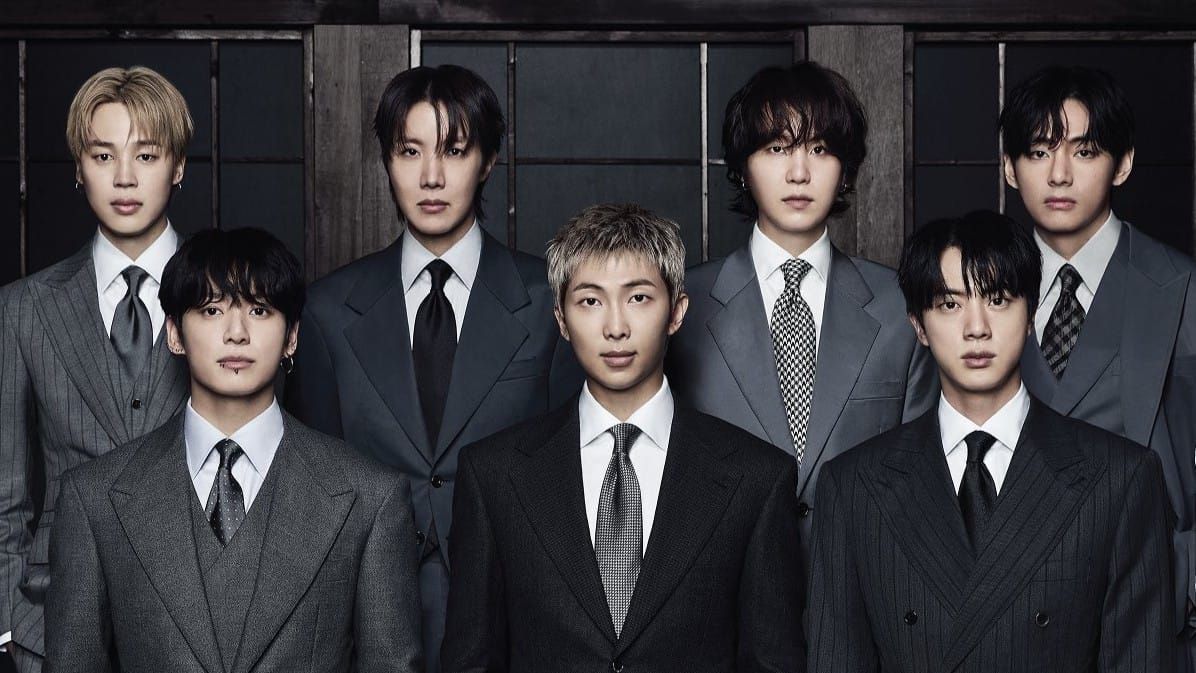
K-pop and Korea’s broader creative industries are increasingly mining the nation’s past to power global content. High-profile acts such as BTS have blended traditional sounds and imagery into pop: the 2018 single “Idol” paired Korean percussion and hanbok‑inspired styling with contemporary choreography for international stages. At the same time, film, television and game studios are adapting historical narratives, motifs and folk traditions to attract global audiences.
This integration has institutional and cultural precedents. UNESCO’s listing of “Arirang” in 2012 helped revive interest in folk forms, while landmark dramas like Dae Jang Geum and modern series such as Mr. Sunshine have demonstrably boosted cultural tourism and downstream merchandising. Major gaming titles and studios now incorporate Joseon‑era aesthetics, pansori, and shamanic folklore into character design and storytelling to create distinct visual identities on the international market.
Cultural policy analysts say the strategy offers both artistic opportunity and competitive differentiation. By fusing rigorous research with contemporary production values, creators deliver authenticity that resonates on streaming platforms and social media. Industry veterans note that collaborations between entertainment companies and cultural institutions museums, the National Gugak Center and traditional artisans improve accuracy and deepen creative options.
Experts also warn of pitfalls: superficial use of heritage can stray into commodification or stereotype. Successful examples, they argue, are those that treat tradition as a living resource open to reinterpretation but grounded in consultation and scholarship. As South Korea continues to invest in cultural diplomacy, the deliberate use of heritage across K-pop, film, drama and gaming is shaping a new model of soft power one that turns historic forms into contemporary global storytelling without leaving the past behind.
The Article is Rewritten and Translate by AI from The Korea Herald